

Latinos
¿Quieres vivir en EEUU? Estos tres grupos de visas te pueden beneficiar
El trabajo, la familia y el asilo, en numerosas categorías diferentes, son los motivos habilitantes de permisos para empleo, estudios y residencia, temporaria o permanente.


Los inmigrantes han sido siempre una parte importante de la vida en Estados Unidos: hoy representan el 14,3% de los residentes en el país, una cifra cercana al récord histórico, que se dio en 1890, cuando eran el 14,8% de la población. Los 47 millones de personas nacidas en otro territorio tienen, mayoritariamente, documentos: sólo el 23% reside de manera ilegal.
El sistema migratorio, que es blanco de críticas tanto de demócratas como de republicanos, ofrece diferentes tipos de visas. La más conocida es la de residencia permantente, la Green Card, pero hay muchas otras opciones. Algunas están limitadas en el tiempo o a una actividad, pero son renovables y también pueden funcionar como primer paso.
Las solicitudes son complejas —conviene contratar un abogado especializado, con un costo total aproximado de USD 10.000— y es muy útil conocer los requisitos para cada paso, que están publicados en la página del Servicio de Inmigración y Ciudadanía (USCIS). Como no todas las visas otorgan los mismos beneficios, importa distinguir los tres grupos principales en los que se dividen y qué características tiene cada una.

1) Visas para trabajar
En este momento en los Estados Unidos hay más puestos de trabajo que empleados disponibles, principalmente por los reajustes del mercado laboral luego de la pandemia. Entre los lugares con mayor tasa de migración de hispanos se destaca, como ha sucedido históricamente, la Florida.
Para trabajar hay visas que permiten la inmigración y visas que no la permiten, como la del empleo temporal. Además, si alguien ya se encuentra en los Estados Unidos y tiene una posibilidad de trabajo que le interesa, puede solicitar un cambio en su status migratorio, bien para obtener una visa de no inmigrante que autoriza el empleo, o bien para solicitar también una solicitud de visa de inmigrante, según las circunstancias.
USCIS tiene una página web para explicar las distintas opciones. Entre las visas de no inmigrante se encuentran las de trabajadores temporales en general, comerciantes, empleados calificados, inversionistas, profesionales de ciertas áreas (por ejemplo, enfermeros o maestros de niños con impedimentos dispuestos a ir a una zona donde escasean), empleados jerárquicos transferidos dentro de una misma compañía, periodistas, artistas, atletas, trabajadores agrícolas y trabajadores religiosos. Para ciertos países, como México y Chile, existen acuerdos especiales como parte del Tratado de Libre Comercio.
Son las visas que comienzan con E, H, I, L, O, P, Q o R.
Las visas de trabajo que permiten la residencia permanente se emplean cuando, por ejemplo, una persona tiene una oferta de empleo en los Estados Unidos. La compañía que le ofreció ese puesto funcionará como su patrocinador. En algunos casos, es necesario obtener una certificación del Departamento del Trabajo, para justificar que no existe alguien en el país que pueda ocupar esa posición y que la contratación no perjudicará las condiciones laborales de los trabajadores estadounidenses.
Son visas para personas “con aptitudes extraordinarias en las ciencias, las artes, la educación, los negocios o los deportes”, según USCIS. También para posgraduados y profesionales especiales, trabajadores religiosos y personal retirado de organismos internacionales. Por último, las pueden solicitar las personas que inviertan USD 1 millón (en casos especiales, USD 500.000) en una compañía nueva que emplee al menos a 10 trabajadores.
En algunos de esos casos es posible presentar la solicitud por uno mismo. Son las visas que comienzan con las letras EB.
También los familiares de un extranjero con estatus legal de no inmigrante (por ejemplo, cónyuges) pueden solicitar un Documento de Autorización de Empleo (EAD).

2) Visas por familia
Aquellas personas que tienen un familiar con residencia permanente legal en los Estados Unidos, ya sea mediante una Green Card o por adopción de la ciudadanía, pueden convertirse en residentes permanentes. El trámite lo inicia el familiar con el formulario I-130 y, como existe un límite anual para la cantidad de visas de este grupo, suele haber espera.
El interesado obtendrá una visa que comienza con F.
Primero se ubican los familiares inmediatos: cónyuges e hijos solteros y menores de 21 años. Esas visas se pueden solicitar tanto para familiares de residentes permanentes legales como de ciudadanos.
En cambio, cuando se trata de hijos mayores de 21 años, hijos casados y padres, el familiar tiene que ser un ciudadano, nativo o naturalizado. Si el familiar es un hermano, tiene que ser ciudadano y mayor de 21 años.
Otra categoría en este grupo de visados es la de prometido, visas que comienzan con K. Las puede recibir una persona que se va a contraer matrimonio con un ciudadano estadounidense, nativo o naturalizado.
Por último, el cónyuge de un ciudadano estadounidense (nativo o naturalizado) que ha muerto, puede solicitar una visa de viudo.
Un apartado especial dentro de la familia es el que creó la Ley de Violencia Contra las Mujeres (VAWA) para “víctimas de abuso o crueldad extrema”. Si una persona ha sufrido ese tipo de maltrado de un cónyuge o excónyuge ciudadano estadounidense o residente permanente, un hijo ciudadano estadounidense o un padre ciudadano o residente, puede pedir por sí mismo sin que el abusador sepa, y no se le solicitará consentimiento. Si su autopetición es aprobada y usted cumple con otros requisitos de elegibilidad, usted podría ser elegible a solicitar la residencia permanente legal (obtener una Tarjeta Verde).

3) Visas por asilo
Estados Unidos recibe anualmente una cantidad de personas que buscan refugio de la persecución y la violencia por su etnia, su religión, su nacionalidad, su pertenencia a un grupo social determinado (por ejemplo, la comunidad LGBT+) o su opinión política. En 2020 el país admitió como refugiados a 11.840 personas y otorgó el asilo a otras 31.429.
El asilo puede ser afimativo cuando la persona no sufrió o no está en riesgo de sufrir alguna forma de expulsión de su país y el defensivo es para quienes han sido expulsados o corren el peligro de serlo; como pueden migrar con sus familias, también existe el asilo o el refugio principal y el asilo o refugio derivado.
Para presentar esta solicitud es necesario estar físicamente en los Estados Unidos. El caso se ve en la justicia, donde se verifica la persecución, y es necesario cumplir con requisitos médicos y de seguridad.
Con información de USCIS. Este artículo no consituye ni reemplaza la asesoría legal









Latinos
From a small room in Tampa to her own campus! Lucy Puentes Stewart turns her dream into a success story

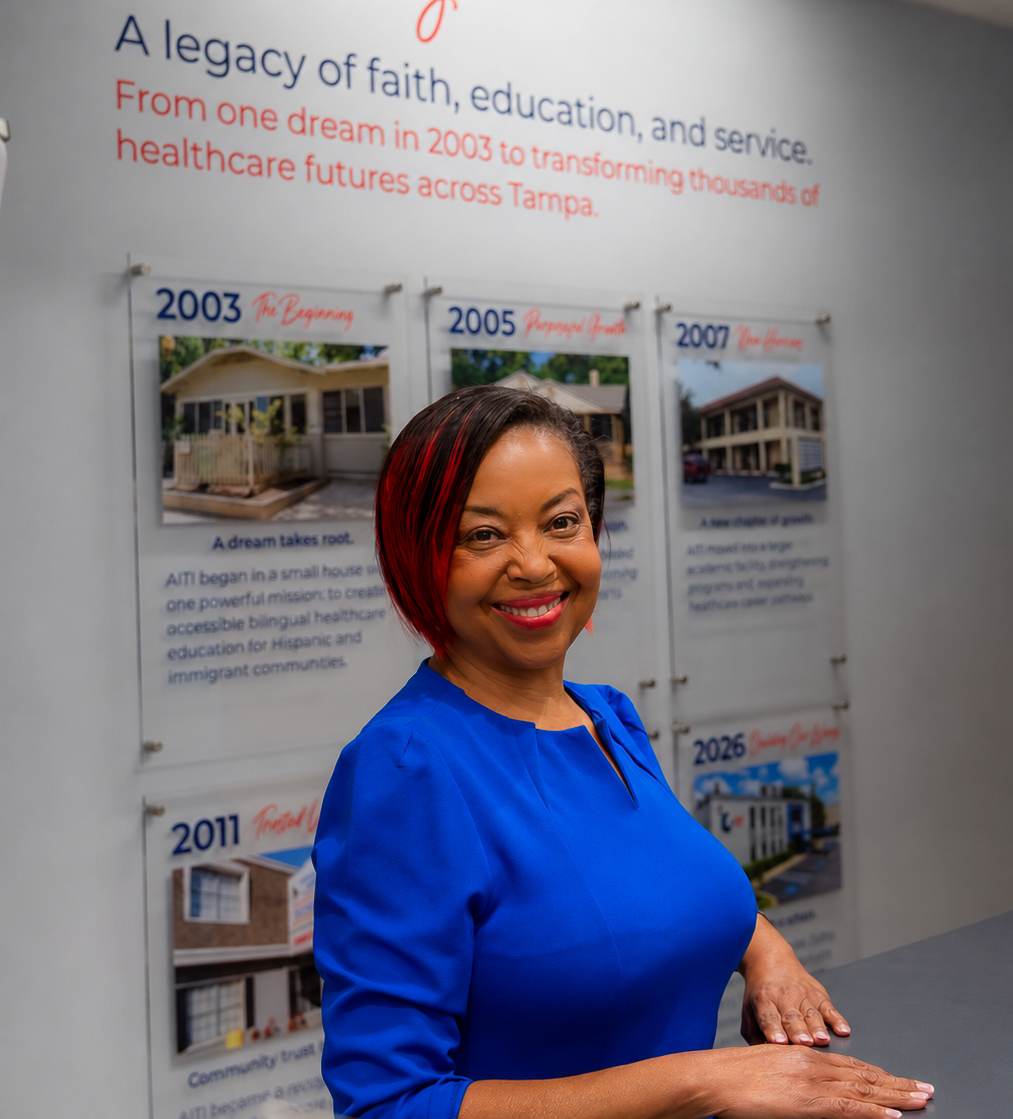
CENTRAL FLORIDA. Before the new facilities, before the ceremonies, and before seeing her dream become an established educational institution, there was a small room in a Tampa home, some used furniture, recycled materials, and a woman willing to do whatever it took to get ahead.
That woman was Lucila «Lucy» Puentes Stewart.
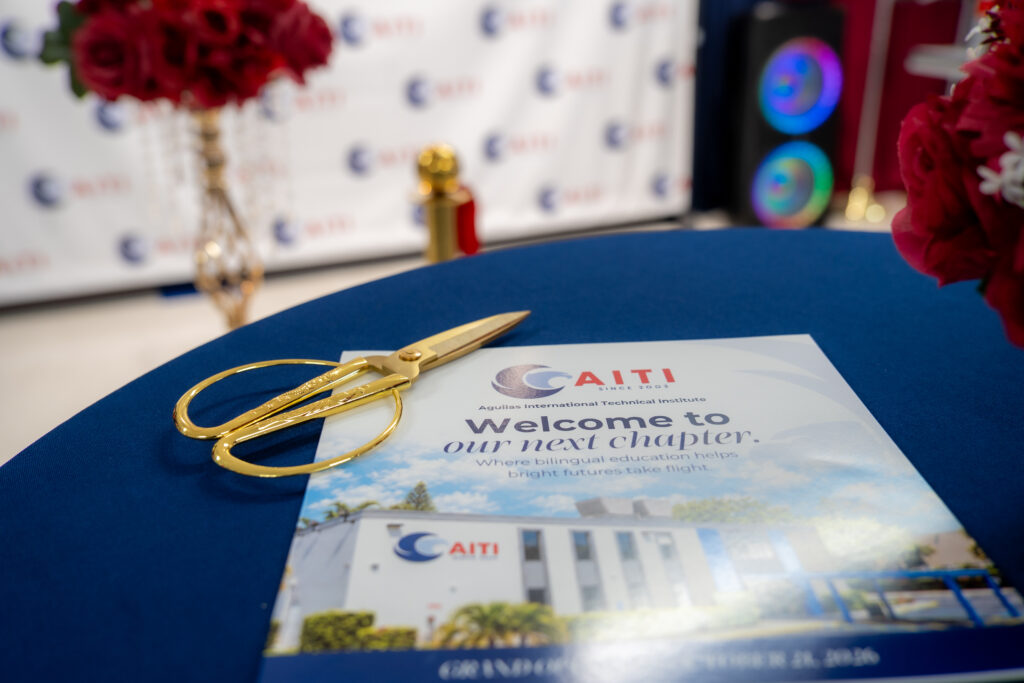
In that small space, a dream began to take shape that is now living one of its most important chapters: the inauguration of the new campus of Águilas International Technical Institute, the institution she founded and leads as CEO.
Her story did not begin with large facilities or all the resources she needed. It began with work, creativity, sacrifice, and the determination to believe in an idea even when there was still a long way to go.
And perhaps that is precisely where the value of this story lies: in remembering that, before reaching a goal that looks big, someone had to dare to take a first step when everything was still small.
When the dream depended on her own hands
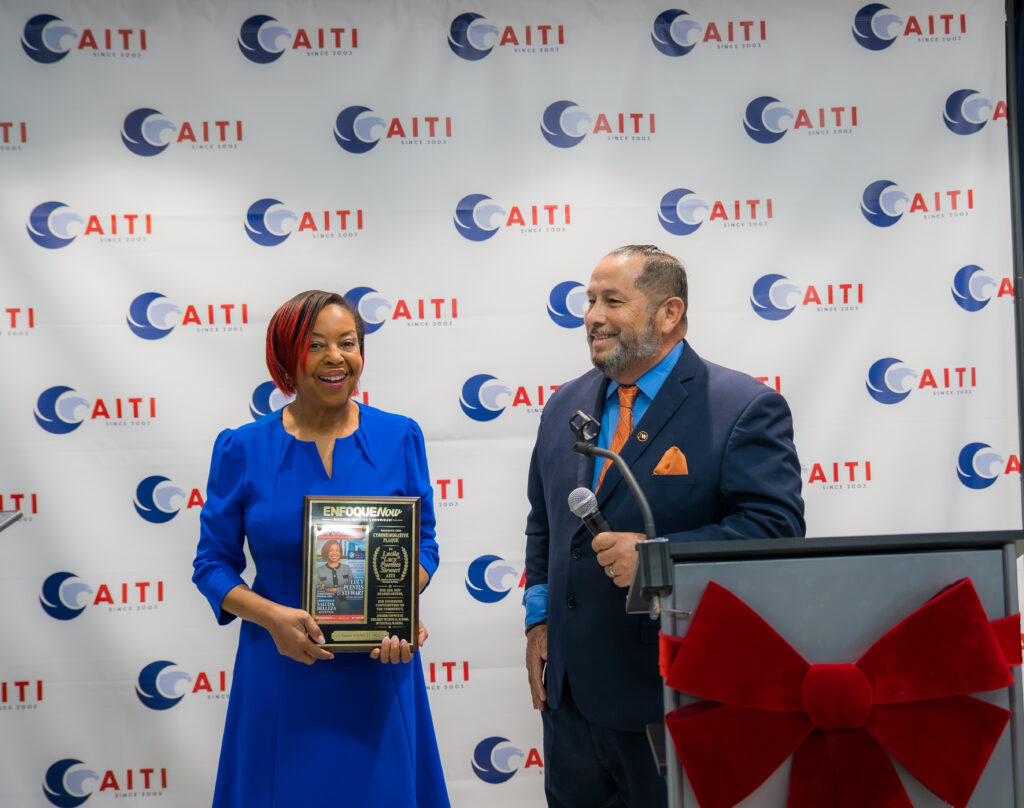
During the inauguration ceremony, Lucy shared an emotional account with guests about the beginnings of her project. Recalling that first stage, she put into perspective the road traveled and the challenges she had to face to turn a modest initiative into an institution dedicated to technical training.
In its early days, she was not only leading the project: she was also operator, instructor, and responsible for practically every task needed to keep it running.
Every detail mattered. Resources had to be used to the fullest, used furniture and recycled materials found new purpose, and each day was an opportunity to keep building what she believed in.
There was no large structure behind her to lean on. Much of the work depended on her own ability to solve problems, take on responsibilities, and keep moving forward.
Those who have started a business from scratch know that the beginnings can be a true test of character. There are days of uncertainty, difficult decisions, and moments when the effort seems to outweigh the results. Yet there is also a special strength in working for something that has a purpose.
Lucy pressed on.
What was then a small educational project would begin to grow into an institution with a much broader mission: preparing people to develop their professional skills and find new opportunities in the job market.
A dream that began to grow and open doors
Over time, Águilas International Technical Institute consolidated its presence in Central Florida, with technical training programs geared toward various healthcare careers.
Its work connects to a fundamental need in society: having people prepared to perform professional roles in a sector essential to the well-being of the community.
Behind every training program lies the possibility that a person gains knowledge, prepares to work, strengthens their economic independence, and builds a future with new prospects.
That is one of the most significant aspects of an educational institution’s path: its impact is not limited to its facilities, but can extend to students, their families, and the communities where they build their professional lives.
The growth of Águilas International Technical Institute thus represents a story of entrepreneurship tied to education, workforce preparation, and community development.
And for its founder, each step forward is also a reminder of those early days when everything depended on starting with whatever she had at hand.
The day a ribbon symbolized years of effort
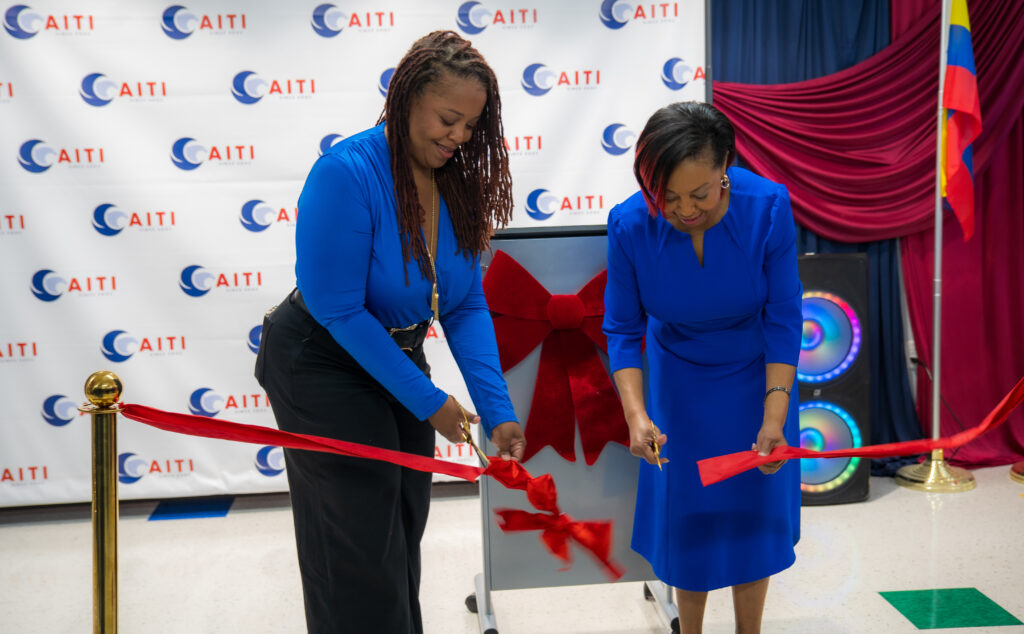
The inauguration of the new campus marked a special moment in the institution’s history.
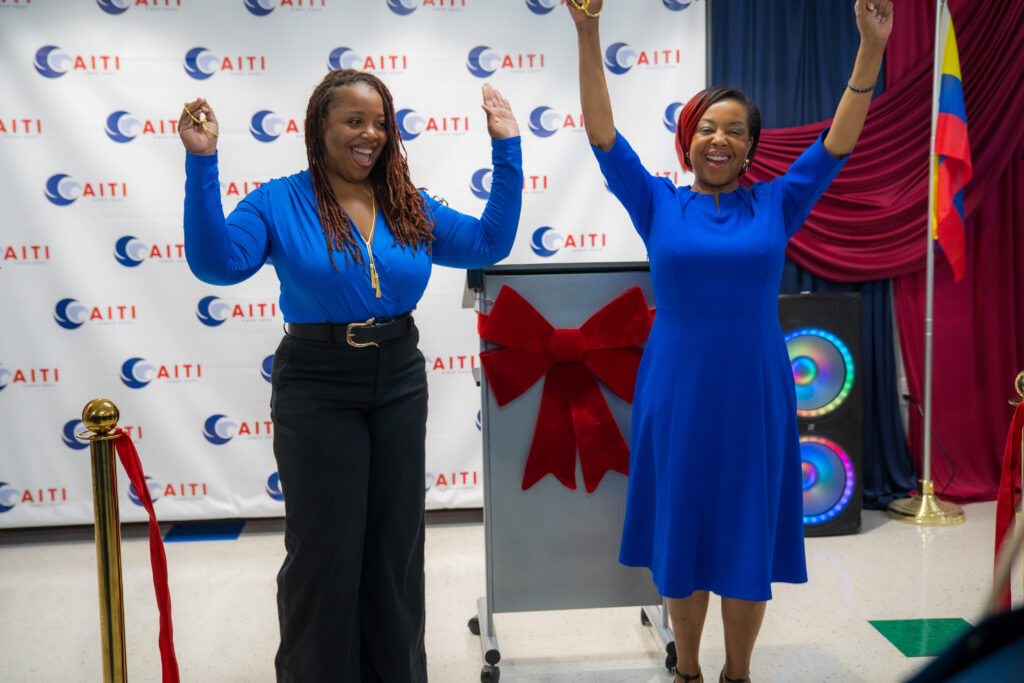
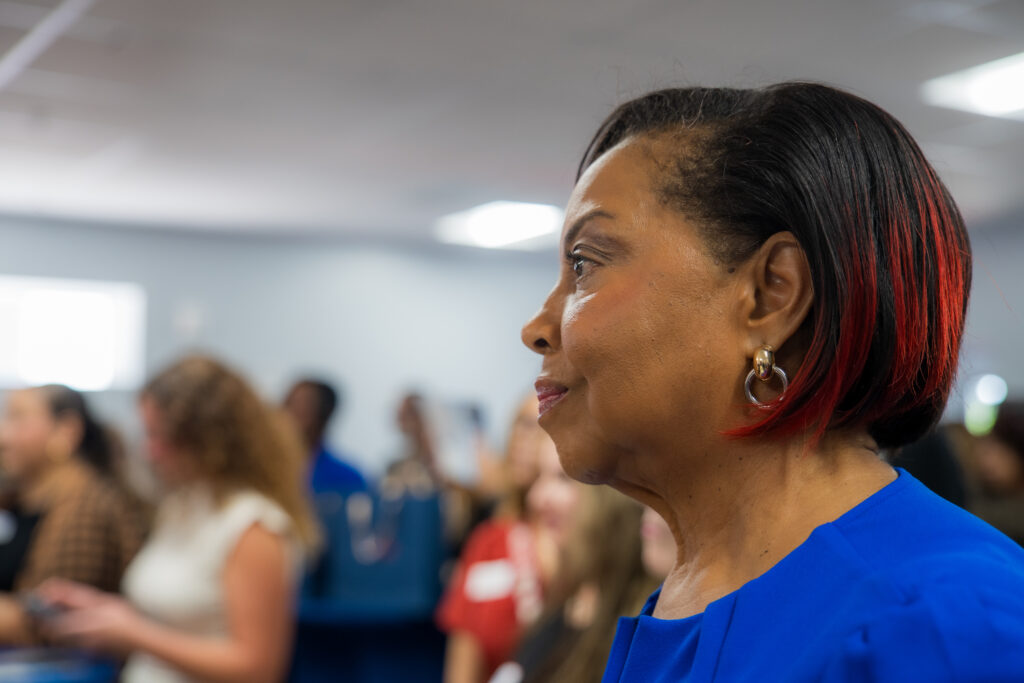
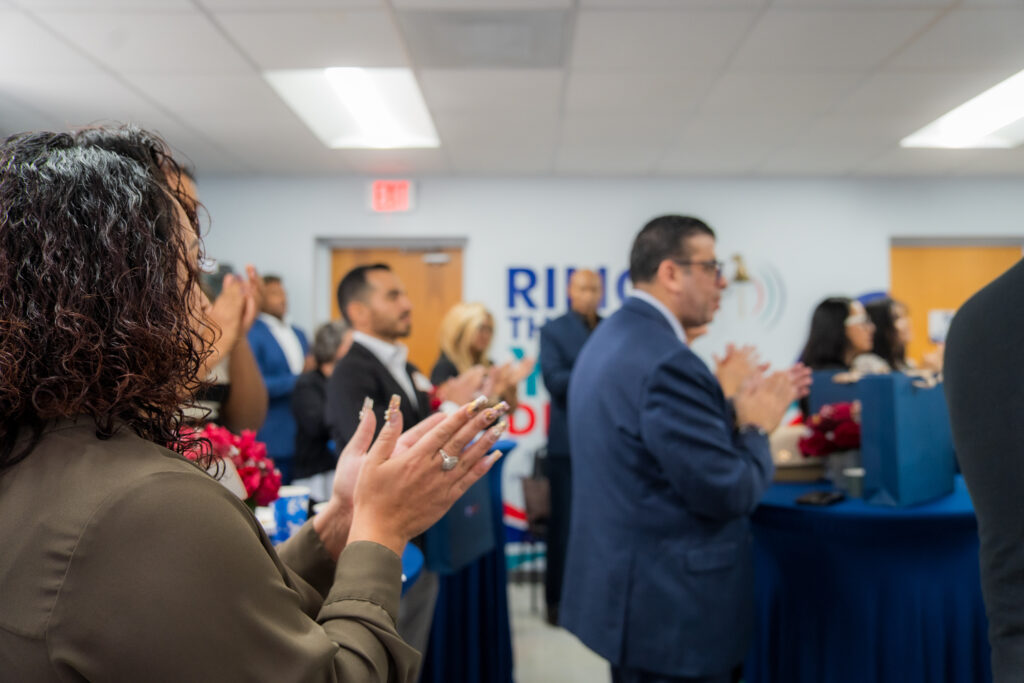
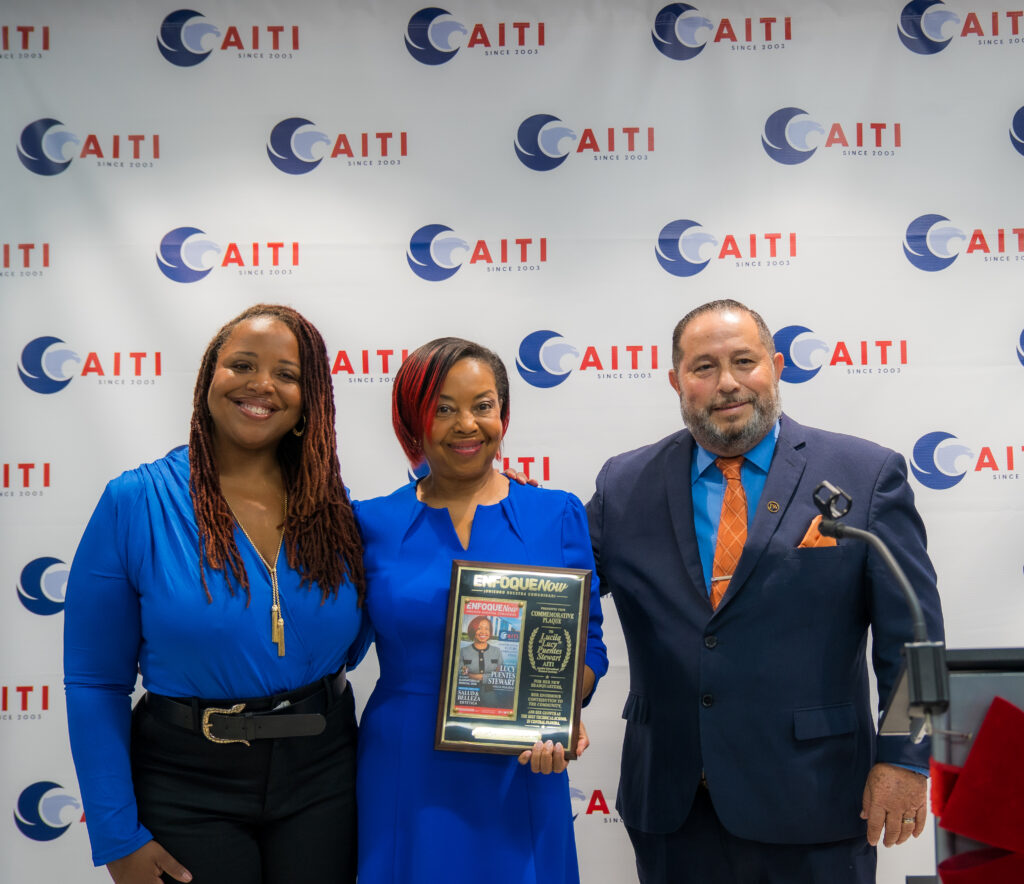
Business owners, representatives of various associations, and members of the media were invited to the event, accompanying Lucy Puentes Stewart in a celebration full of emotion and satisfaction.
The ribbon cutting was much more than a formal act. For those who knew the project’s beginnings, the ceremony was a chance to see how much an initiative can change when it is sustained by work, perseverance, and a vision for the future.
For Lucy, the moment had a personal meaning: remembering the small room where it all began and looking at the new chapter her institution is now undertaking.
It is easy to look at the final result and admire a new campus. But behind that achievement is a story worth knowing: that of an entrepreneur who had to take on multiple roles, make the most of limited resources, and work so her idea could grow.
That is why the day was so special. It was not only a new physical space being celebrated, but also the road that made it possible to get there.
The true value of a success story
Success stories are usually told from their big moments: an inauguration, an expansion, or the achievement of an important goal.
But Lucy’s story invites us to look beyond the ribbon-cutting photo.
It leads us to think about that woman who started with modest resources and had to play different roles to keep her project alive. About the importance of perseverance when results are not yet visible. And about the satisfaction that can come from looking back and discovering that years of effort have helped build something that goes beyond oneself.
Her path also sends a message to those who have a business idea, want to start a venture, or dream of creating opportunities for others: it is not always necessary to start with everything you need. Sometimes the first step is making responsible use of available resources, learning as you go, and staying committed to a goal.
That does not mean the road is easy, or that every project has the same outcome. It means that stories like Lucy’s remind us of the value of initiative, adaptability, and sustained work.
A new campus, new chapters to write
The opening of Águilas International Technical Institute’s own campus represents a new chapter for the institution and for the woman who drove its creation.
After starting in a small room in Tampa, Lucy Puentes Stewart today celebrates an achievement reflecting years of dedication to her educational project.
Her story is tied to training professionals in healthcare and creating opportunities for those seeking to prepare themselves and advance at work. It also reflects the contribution educational ventures can make to the development of their communities.
In Central Florida, where so many people work to build a better future for their families, stories like this have special meaning. They remind us that behind institutions there are people, decisions, sacrifices, and dreams that began long before public recognition arrived.
From that small room to her own campus, the distance is not measured only in walls or square footage. It is measured in years of work, challenges overcome, and the will to keep believing in an idea.
Today, Lucy celebrates a goal achieved. And the story of Águilas International Technical Institute continues to be written, with new challenges and opportunities ahead.
A story worth telling
At EnfoqueNow, we believe stories of entrepreneurship, perseverance, and commitment to community deserve a place in our pages. Not only for the achievements they represent, but for the human experiences that can inspire others.
The path of Lucy Puentes Stewart reminds us that, behind many projects we admire today, there was once a simple beginning and someone willing to work to turn an idea into reality.
Because, in the end, success is not only about ending up with your own campus. It is also about looking back, recognizing the road traveled, and understanding that what began as a dream can become an opportunity for many other people.
Jimmy Pizarro | EnfoqueNow – DigitalNews
Stories that inspire, transform, and build community.
#JimmyPizarro #EnfoqueNow #DigitalNews #AguilasInternationalTechnicalInstitute #LucyPuentesStewart #SuccessStories #HispanicEntrepreneurship #WomenEntrepreneurs #TechnicalEducation #HealthcareProfessionals #CentralFlorida


Serie Mundial 2026: Tampa Bay alarga la vida en un Juego 4 de infarto

Luto en el vallenato: Accidente de la agrupación de K-Beto Zuleta en Colombia

Venta histórica: El dinosaurio «Jodi» se subasta por US$ 47,3 millones

Fuga judicial: El senador brasileño Flávio Bolsonaro huye a Miami

Tragedia ferroviaria en España: 64 fallecidos tras choque en Toledo

From a small room in Tampa to her own campus! Lucy Puentes Stewart turns her dream into a success story
Tragedia ferroviaria en España: 64 fallecidos tras choque en Toledo
Fuga judicial: El senador brasileño Flávio Bolsonaro huye a Miami
Serie Mundial 2026: Tampa Bay alarga la vida en un Juego 4 de infarto
Luto en el vallenato: Accidente de la agrupación de K-Beto Zuleta en Colombia


